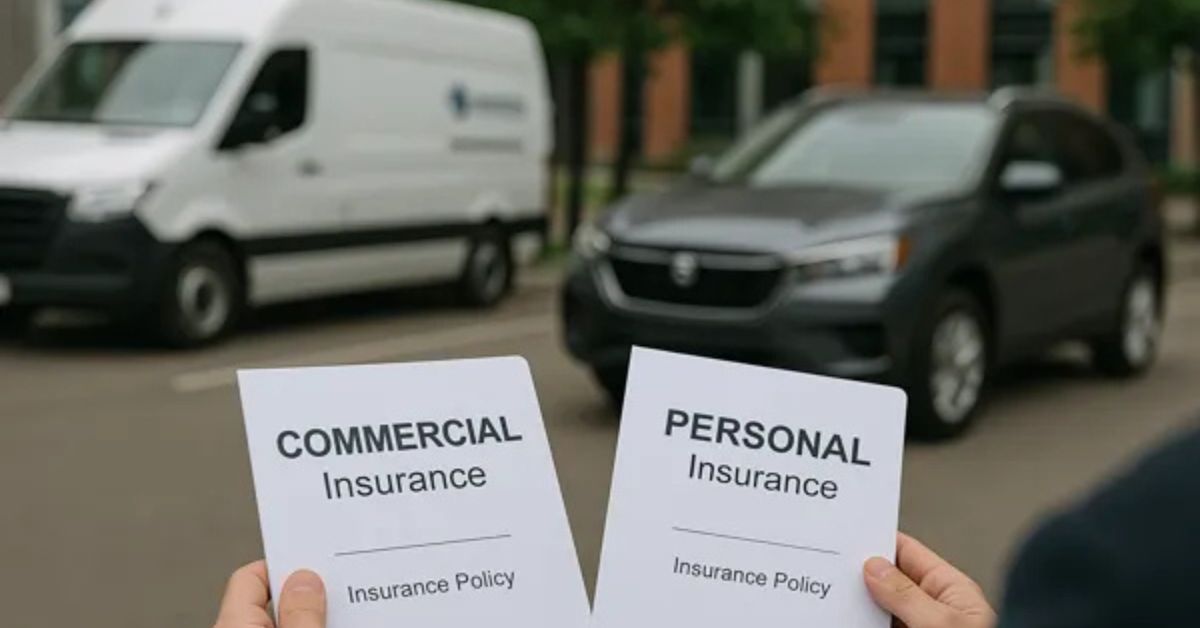
Auto insurance is one of the most critical forms of protection for anyone who drives a vehicle, but not all car insurance policies are created equal. Many people assume that one standard insurance plan covers both personal and business use of their cars — a misconception that can lead to denied claims and serious financial losses. Understanding the distinction between commercial auto insurance and personal auto insurance is essential for business owners, freelancers, and everyday drivers who use their vehicles for multiple purposes.
When your car is involved in work-related activities such as transporting goods, making client visits, or carrying tools for your trade, a personal auto policy may not be sufficient. Similarly, paying for commercial coverage when your vehicle is used only for private commuting can be an unnecessary expense. The key is knowing where the line is drawn and how to select the right policy to fit your needs.
Understanding the Basics of Auto Insurance Coverage
At its core, auto insurance provides financial protection against physical damage, theft, and liability resulting from vehicle accidents. Both personal and commercial auto insurance share this fundamental goal, but are designed for different types of vehicle usage. A personal auto insurance policy is meant for individuals who use their cars for everyday activities — such as driving to work, running errands, or taking family trips.
Commercial auto insurance, on the other hand, covers vehicles used for business operations. This includes delivery vans, trucks, rideshare vehicles, company cars, and any automobile that is part of a business’s daily operations. While both offer coverage for damages and liabilities, the main difference lies in the scope of protection, risk factors, and policy structure.
What is Personal Auto Insurance?
Personal auto insurance provides coverage for individuals using their vehicles for personal and family use. It typically includes:
- Liability coverage: Protects against bodily injury or property damage caused to others during an accident.
- Collision coverage: Pays for repairs to your vehicle after a crash, regardless of fault.
- Comprehensive coverage: Covers non-collision incidents such as theft, vandalism, or weather damage.
- Uninsured/underinsured motorist protection: Protects you if the at-fault driver lacks sufficient insurance.
- Medical payments or personal injury protection (PIP): Covers medical expenses for you and your passengers.
Personal auto insurance is ideal for those who drive their vehicles for private use only. However, using your personal vehicle for business-related purposes might invalidate your claim if your insurer determines it was used outside its coverage terms.
What is Commercial Auto Insurance?
Commercial auto insurance covers vehicles that are owned, leased, or used by a business. It offers broader protection and higher liability limits than personal insurance because business vehicles generally face more risk exposure.
Typical commercial policies include:
- Higher liability limits: Businesses often require larger coverage amounts to protect against lawsuits.
- Coverage for multiple drivers: Employees driving company vehicles are covered under the same policy.
- Equipment and cargo coverage: Protects tools, products, or materials being transported.
- Hired and non-owned auto coverage: Extends protection to vehicles that the business doesn’t own but uses for work (like rented or employee-owned cars).
- Comprehensive business protection: Covers accidents that occur during deliveries, site visits, or other commercial activities.
Commercial auto insurance is essential for companies that depend on vehicles for operations. Even small business owners or independent contractors can benefit from a commercial policy if they frequently use their vehicles for work.
Key Differences Between Commercial and Personal Auto Insurance
Understanding the specific differences between these two policies helps prevent coverage gaps that can lead to financial strain. Here’s a detailed comparison:
1. Purpose and Usage
- Personal auto insurance: Covers private and family-related use, such as personal errands or leisure travel.
- Commercial auto insurance: Covers work-related tasks, including transporting equipment, delivering goods, or client commuting.
2. Coverage Limits
- Commercial policies typically have much higher liability limits because accidents involving business vehicles can result in greater financial loss and legal exposure. Personal insurance usually provides moderate limits that fit individual needs.
3. Vehicle Ownership
- If a vehicle is registered in a company’s name, personal auto insurance won’t apply. Commercial coverage is required to protect business-owned vehicles.
4. Driver Coverage
- Personal policies usually cover the vehicle’s owner and immediate family members. Commercial insurance can extend coverage to multiple employees or authorized drivers.
5. Premium Costs
- Commercial auto insurance costs more because it covers higher risks and includes additional protection options. However, it also offers more flexibility for business operations.
6. Claims Handling
- Commercial insurance claims are handled differently, as they often involve property damage, lost inventory, or third-party injuries — all of which can be more complex than personal claims.
Who Needs Commercial Auto Insurance?
Many small business owners mistakenly believe that personal insurance covers their business vehicle use. However, if your vehicle is used for commercial purposes, you likely need commercial coverage.
You should consider commercial auto insurance if you:
- Deliver goods, packages, or food as part of your job.
- Use your vehicle to transport tools or business materials.
- Regularly drive to client meetings or job sites.
- Have employees who drive your vehicle.
- Operate a rideshare or delivery service.
- Even a sole proprietor or freelancer who uses their car for consulting or deliveries could face denied claims without the right coverage.
Who Can Stick With Personal Auto Insurance?
If your vehicle is used strictly for private reasons — such as commuting to an office, family travel, or errands — personal insurance is typically sufficient. However, if you occasionally use your car for business (e.g., visiting one client per week), speak with your insurer. Some carriers offer business-use endorsements, which extend your personal coverage slightly without requiring a full commercial policy.
Cost Comparison: Personal vs. Commercial Auto Insurance
The price difference between commercial and personal policies depends on several factors, including vehicle type, driving history, and business use.
- Personal Auto Insurance: Usually ranges between $1,200 to $2,000 per year for standard coverage.
- Commercial Auto Insurance: Can cost $1,500 to $3,500 per year, depending on business type and vehicle size.
While commercial insurance seems more expensive, it provides significantly more protection against financial and legal risks — making it a worthwhile investment for business vehicles.
Legal and Liability Considerations
One of the most important distinctions between the two insurance types is liability exposure. If an accident occurs while a vehicle is used for business purposes and the driver has only personal insurance, the insurer can deny the claim. This denial leaves the driver — and possibly the business — personally responsible for damages, medical bills, and legal costs. Commercial auto policies are designed to protect businesses from such liabilities, ensuring smoother claim processing and protection against lawsuits. Additionally, certain industries and states legally require commercial auto insurance for business operations, especially those involving transportation or delivery.
Additional Coverages Available in Commercial Policies
Commercial auto insurance policies often include add-ons not found in personal plans. These can include:
- Cargo or goods coverage for transported materials.
- Rental reimbursement if your business vehicle is out of service.
- Employee dishonesty coverage for misuse of vehicles.
- Downtime loss coverage to recover lost business income after an accident.
These add-ons make commercial auto policies more customizable and business-focused.
Choosing the Right Policy for Your Needs
Selecting between commercial and personal auto insurance depends entirely on how your vehicle is used. Before purchasing, consider the following:
- Evaluate usage patterns: How often is your vehicle used for business purposes?
- Check ownership details: Is the car registered to you or a business entity?
- Assess risk level: Do you transport goods, tools, or employees?
- Review local regulations: Some states mandate commercial coverage for certain professions.
- Compare quotes: Obtain quotes from multiple insurance companies to find the best rates and terms.
Consulting with a licensed insurance agent can help ensure you’re fully covered without overpaying for unnecessary protection.
The Role of Commercial Auto Insurance for Small Businesses
Small business owners often underestimate the value of commercial coverage. For entrepreneurs who rely on vehicles for operations — from plumbers to florists — a single accident could disrupt the entire business. Having commercial insurance safeguards not only the vehicle but also the company’s reputation and financial stability. It provides confidence that accidents, damages, or unexpected events won’t derail day-to-day operations.
Common Misconceptions About Commercial Auto Insurance
- “It’s only for large companies.”
Even freelancers and one-person businesses can benefit from commercial coverage.
- “Personal insurance covers occasional business use.”
Most personal policies exclude claims that arise from business-related activities.
- “It’s too expensive for small businesses.”
Many insurers offer scalable commercial policies that fit small budgets.
- “Only trucks or vans need commercial coverage.”
Any vehicle used primarily for work — even a small sedan — may require a commercial policy.
Conclusion
The distinction between commercial auto insurance and personal auto insurance extends far beyond ownership; it’s about how the vehicle is used and the associated risks. Personal auto insurance is suitable for private, non-work-related driving, while commercial auto insurance provides the protection necessary for vehicles used in business operations. Understanding these differences ensures you stay compliant, protected, and financially secure in the event of an accident. Choosing the right coverage is not just about saving money; it’s about safeguarding your livelihood, reputation, and peace of mind. Before hitting the road again, ensure your auto insurance aligns perfectly with how you use your vehicle.